


Article published on 24 July 2017
‘Three-quarters of UK children spend less time outdoors than prison inmates. This statement came out of a recent survey published (commissioned by the brand Persil as a part of its “Dirt is Good” campaign). It is a pretty damning indictment for today’s children.
Paradoxically, within the same survey 98% of parents polled agreed that play enables children to become well-rounded adults yet went on to say that their children have fewer opportunities to play outside in community spaces compared to when they were young.
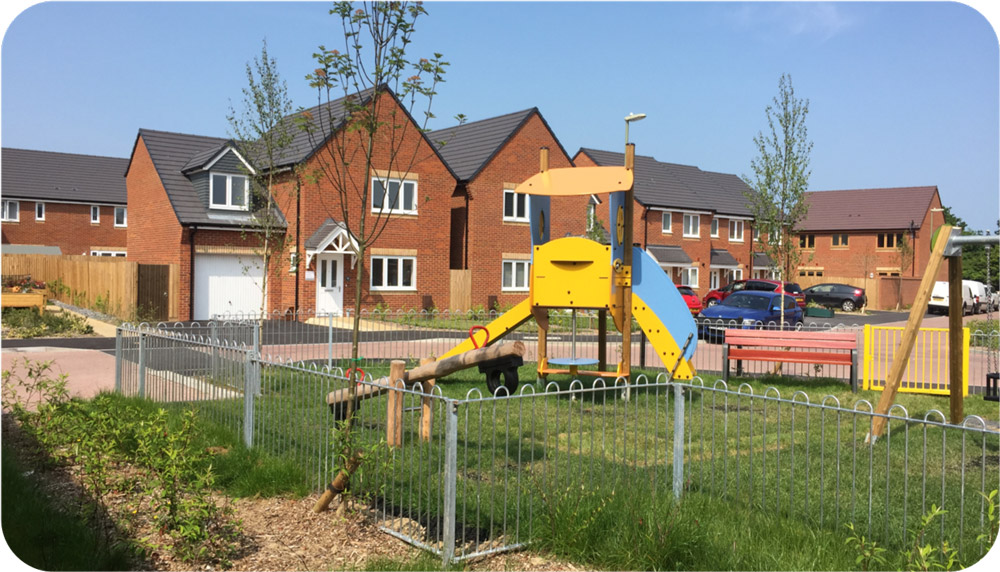
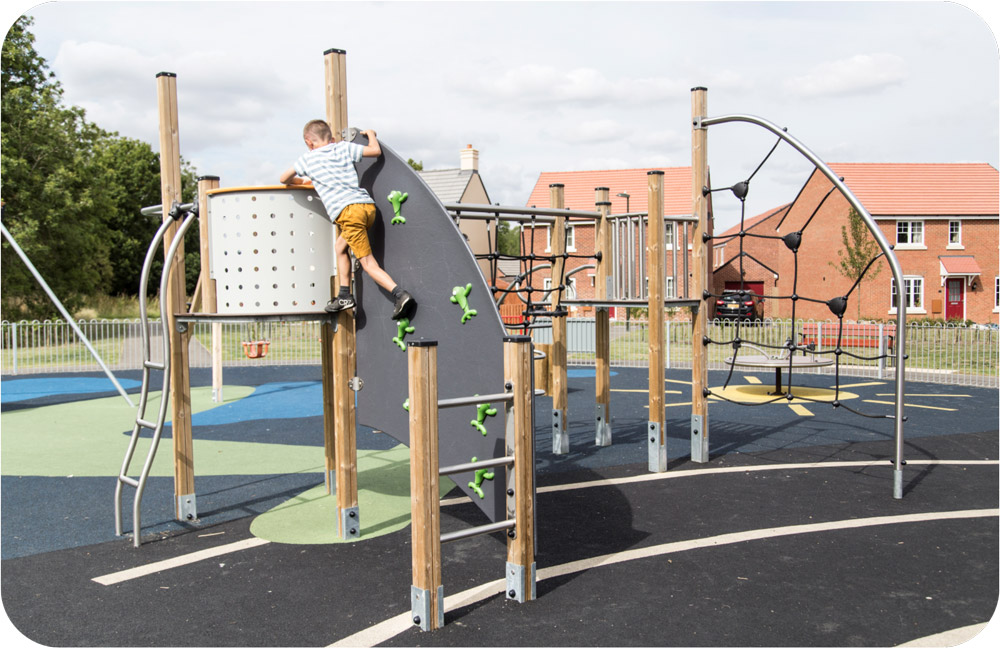
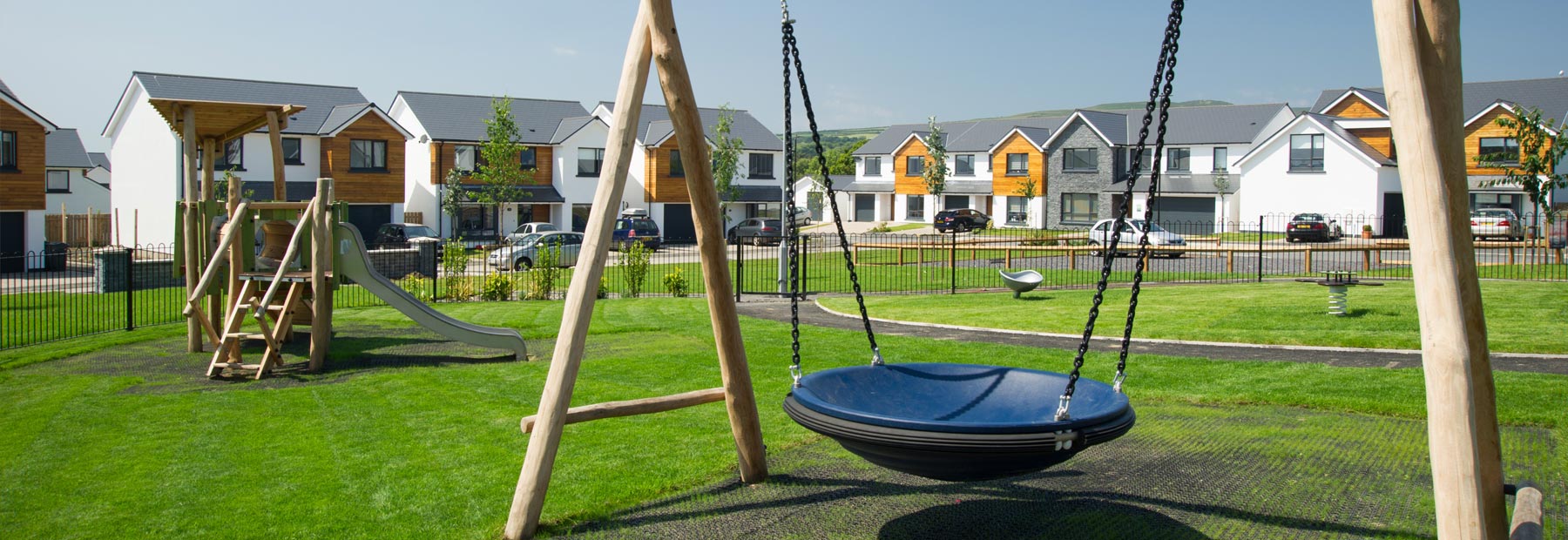
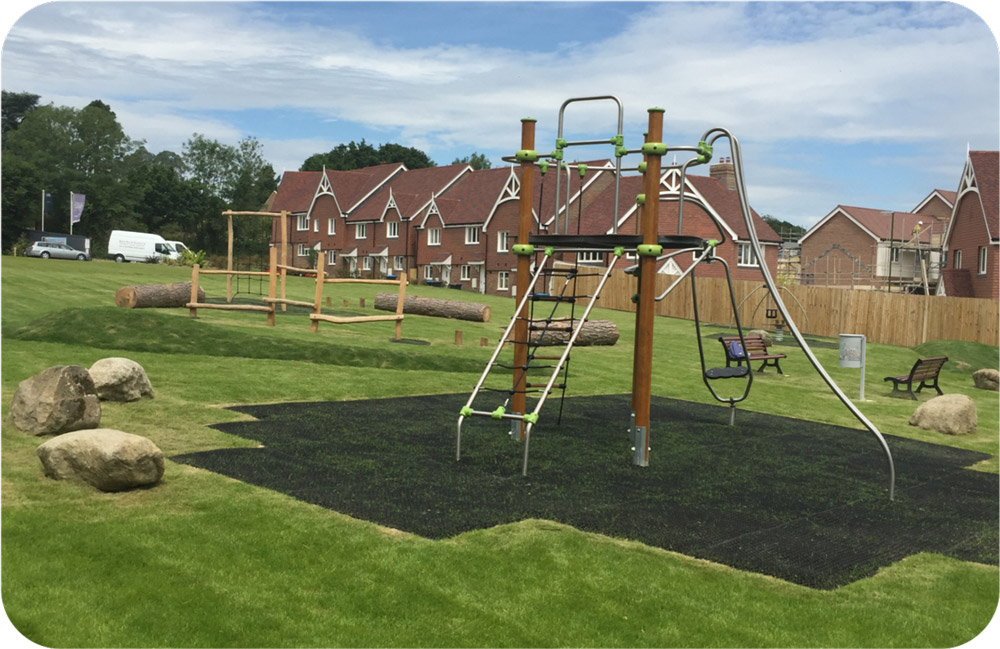
So why do parents feel this? We know children do not have the same freedom to play away from home they once had. The reasons for this are complex, revolving around the perception of children’s safety in today’s world.
If children are not afforded the freedom to go out and play away from home, then we must address the quality of the environments we provide for them in our current housing estates and in new housing developments. We must work to the premise that if our children’s world has shrunk then we must create spaces for them to play near to their homes that provide a beacon for play along with the benefits play brings to their health and well-being.
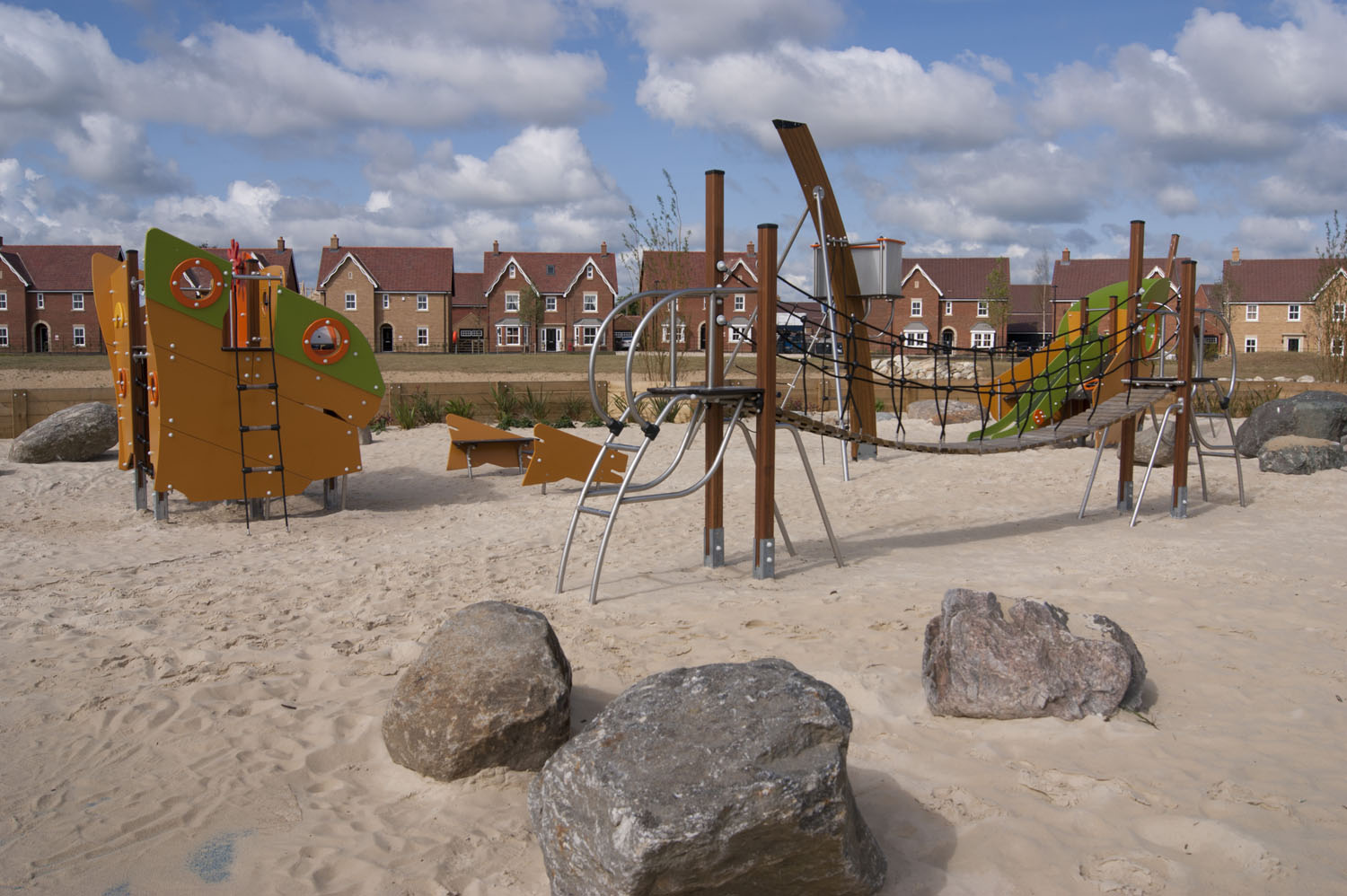
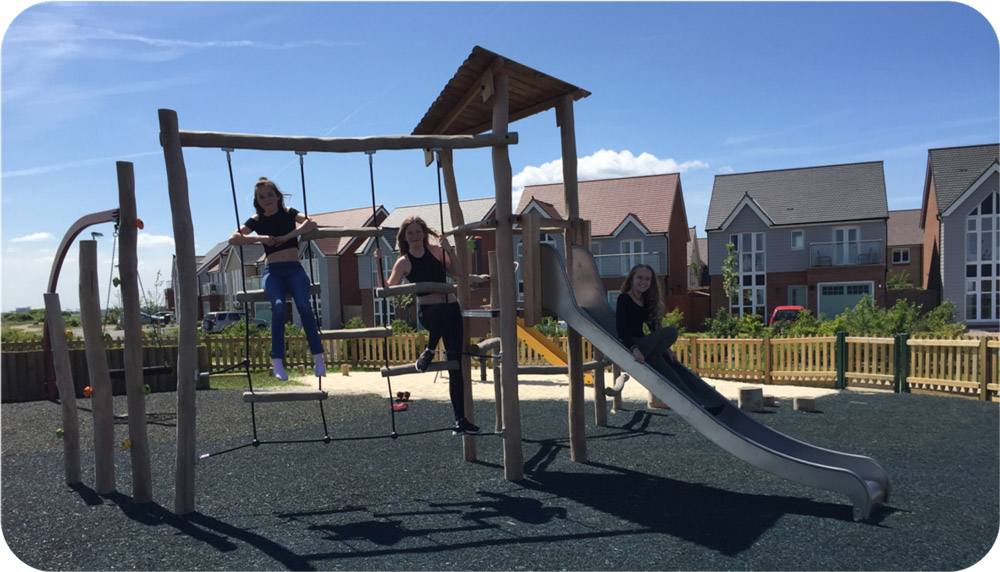
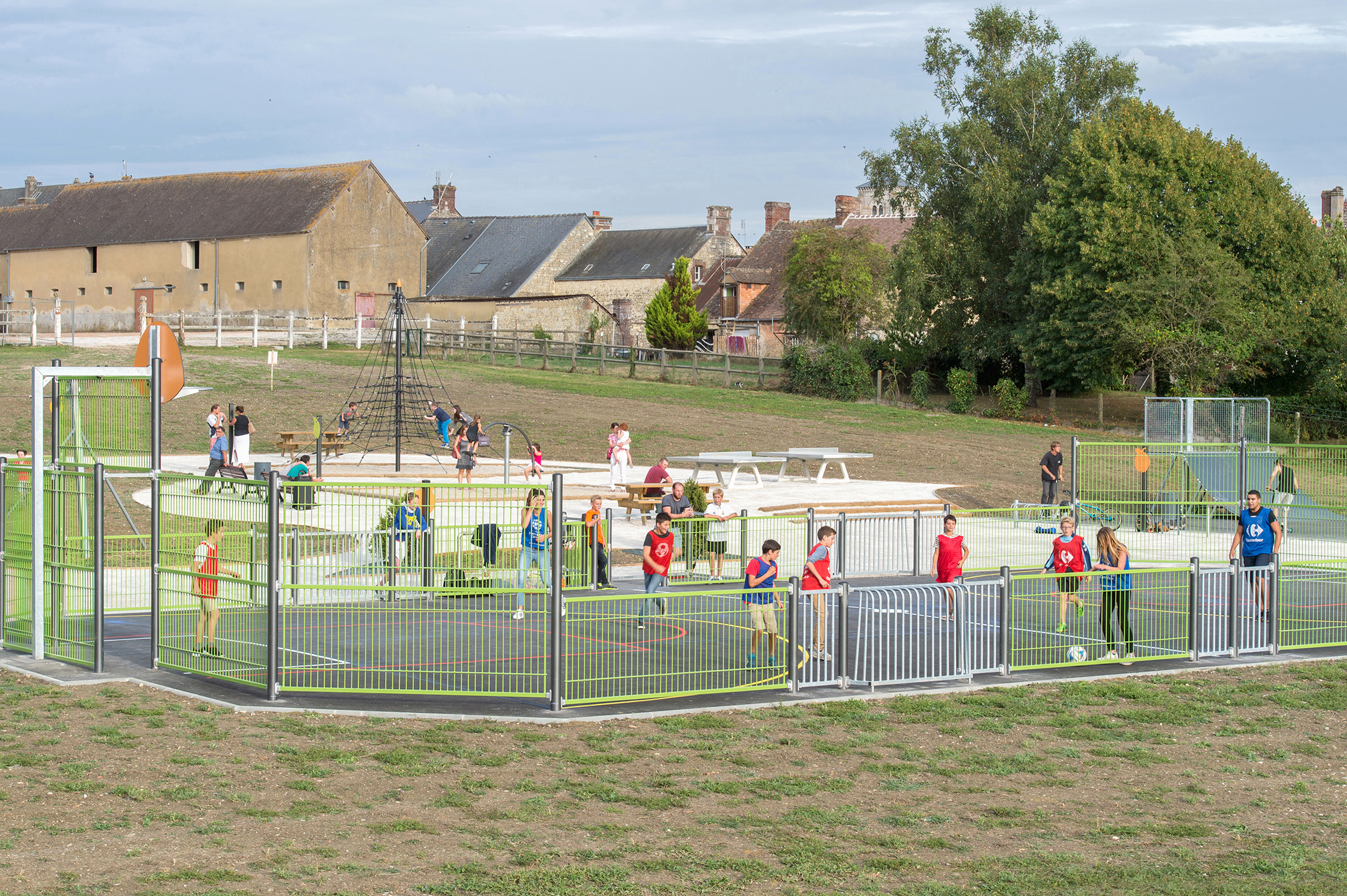
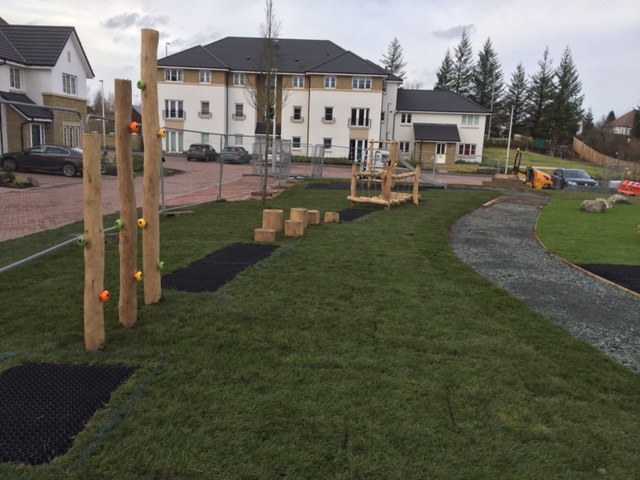
The Design Council published the Decent Homes needs Decent Spaces in 2010. This outlined a 10-point action plan to enhance community spaces within our homes. Research showed that investing in high-quality spaces is effective for keeping people safe. It also evidenced that green spaces closest to where people live bring the most health benefits.
We must therefore never compromise when designing spaces close to homes to ensure we provide environments where children and families can engage with nature and where children can play freely.
More advice from experts
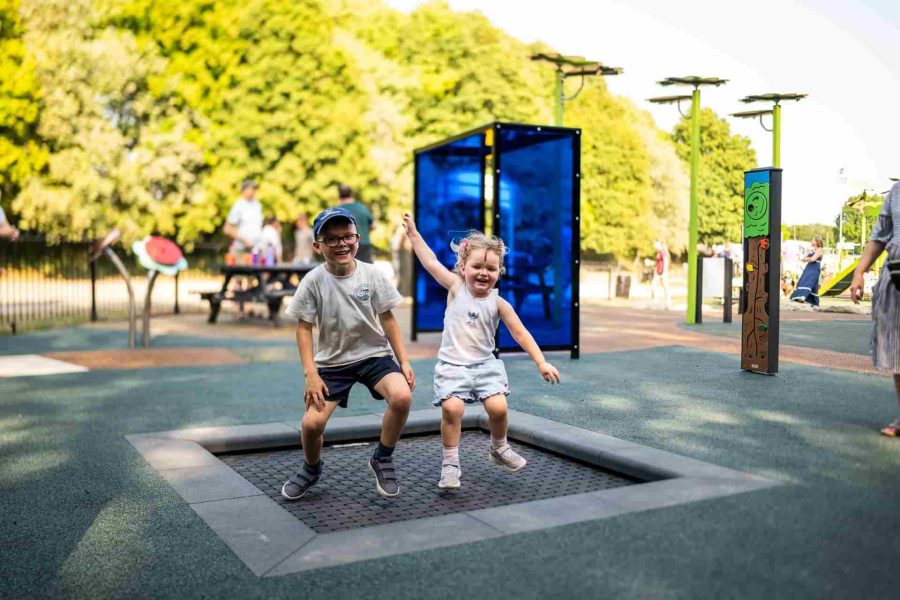
Understanding Children’s Development: From Their Needs to Thoughtful Play Design
Article published on 23 November 2026
A well-designed playground is much more than a collection of swings, slides and climbing frames. It is a space where children develop essential life skills, build confidence, form friendships and explore the world around them. But how can we ensure play spaces genuinely support children’s changing needs as they grow? Understanding Child Development Through Play...
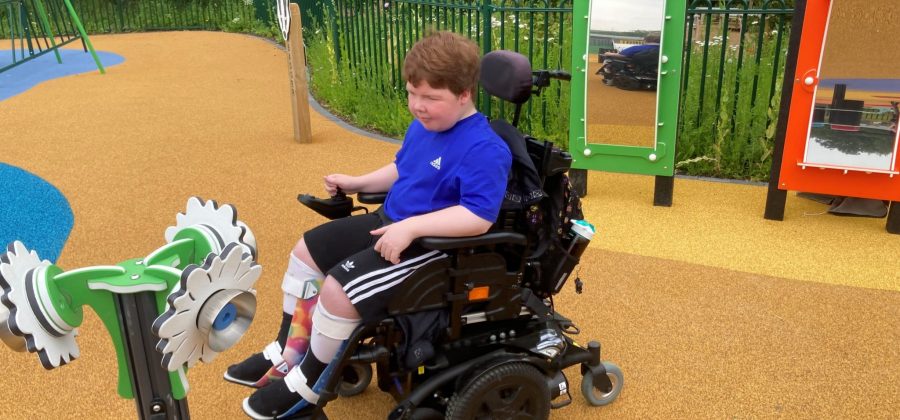
You Know Your Pupils. We Know Play. Creating Inclusive Spaces Together.
Article published on 18 November 2026
Supporting SEND schools with over 35 years of inclusive play design expertise. Every SEND (Special Educational Needs and Disabilities) school is different, and so are the children who attend them. Across the UK, specialist educational settings support pupils with a diverse range of physical, sensory and cognitive needs, each requiring an environment that reflects their...


