


Article published on 7 August 2019
New research from the API shows parents’ worries about the shift from outdoor play to indoor screen time. The vast majority of parents say that playgrounds are vital in getting children outdoors and active again.
The survey* asked questions of 1111 parents with children aged between 2 and 12. It found that 9/10 parents not close to a playground said that access would make their child play outside more.
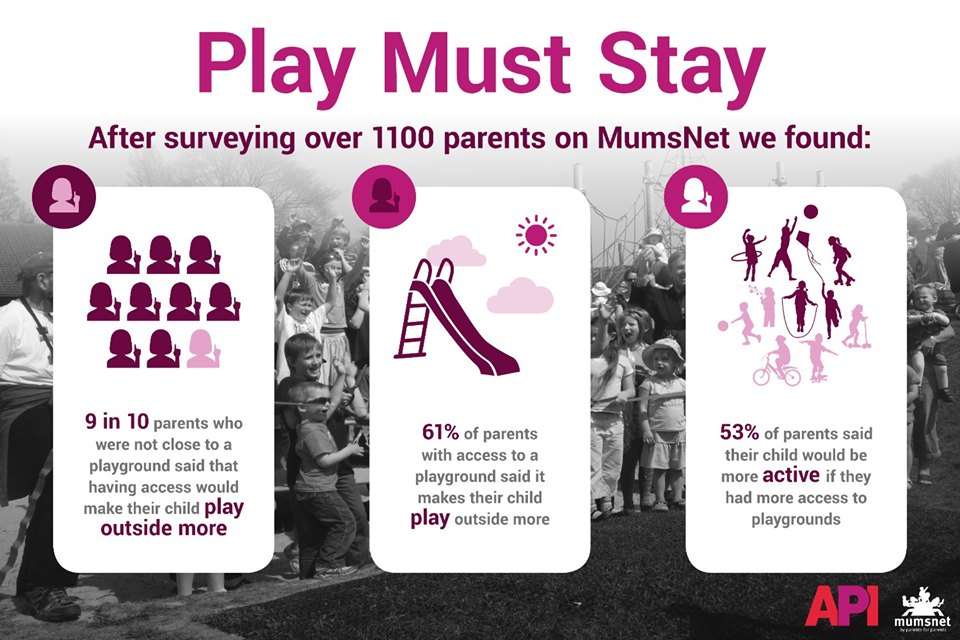
Of those with access to a playground, 61% said it does make their child play outside more. While 53% of parents said more access to playgrounds would make their child more active.
Mumsnet carried out this research as the UK’s biggest website for parents. The Association of Play Industries (API) initially commissioned the research. It asked parents about their children’s outdoor play and indoor screen time habits. Overall it revealed their growing concerns over children’s activity levels and the shift from outdoor play to indoor screen time.
Almost half of them said that their child prefers screen time over other activities. The same proportion also said that they find it difficult to persuade their child to leave their screen. 69% of parents of 10 to 12-year-olds said their children preferred screen time over other activities.
“Children are being ‘pulled’ indoors by screens and ‘pushed’ away from outdoor play because of the alarming and continued decline in public playgrounds,” said Mark Hardy, API Chair. “They are experiencing a childhood where time spent playing and being active is negligible compared to previous generations.
“The overwhelming majority of UK children live in urban areas. For these children, and particularly those in the most disadvantaged areas, public playgrounds are their only chance for outdoor play.
“We are in danger of leaving entire communities without anywhere for children to play. Couple this with the dominance of digital culture and the strong inducement it creates for children to stay indoors – inactive and alone for hours – children are facing a crisis with dire consequences for their mental and physical health.”
Over one-third (35%) of parents have experienced the closure or neglect of their local playground.
Those with a local playground only 13% overall said they would be happy for their child to play there unsupervised. The association’s campaign – Play Must Stay – launched recently and is calling for urgent and sustained investment in public play provision. It is also supporting the Children First Alliance in its call for a dedicated Cabinet Minister for Children & Young People to put children at the heart of politics and help drive investment in community playgrounds.
“With ever-shrinking opportunities for children to play outdoors, public playgrounds play a crucial role in improving children’s movement levels and, in turn, their physical and mental health,” continued Mark.
“Playgrounds are not a luxury. They provide a uniquely safe, traffic-free environment in and around our towns and cities and for millions of children, they are essential to their current and future health. For policymakers, the funding of public playgrounds should be a priority because they are both prevention and cure; playgrounds fulfill a unique role in improving children’s movement, social interaction, fitness and physical and mental health.
“As a resource to improve children’s health – through movement and outdoor play – the role of public playgrounds should not be under-estimated. For a relatively modest investment now the health of children could benefit greatly for years to come. The policy should reflect the reality which is that, in a heavily urbanised and digitally dominated society, public playgrounds really do matter and play must stay.”
Rob Baker, MD of Proludic, also commented on the findings by saying
“Children derive so much enjoyment from playing outdoors and being active in a play area or playground. Research like this from the Association of Play Industries (API) helps further highlight a worrying growing trend of screen usage that needs to be checked. The research also highlights the need for further investment in playgrounds where accessibility is sparse.”
More advice from experts
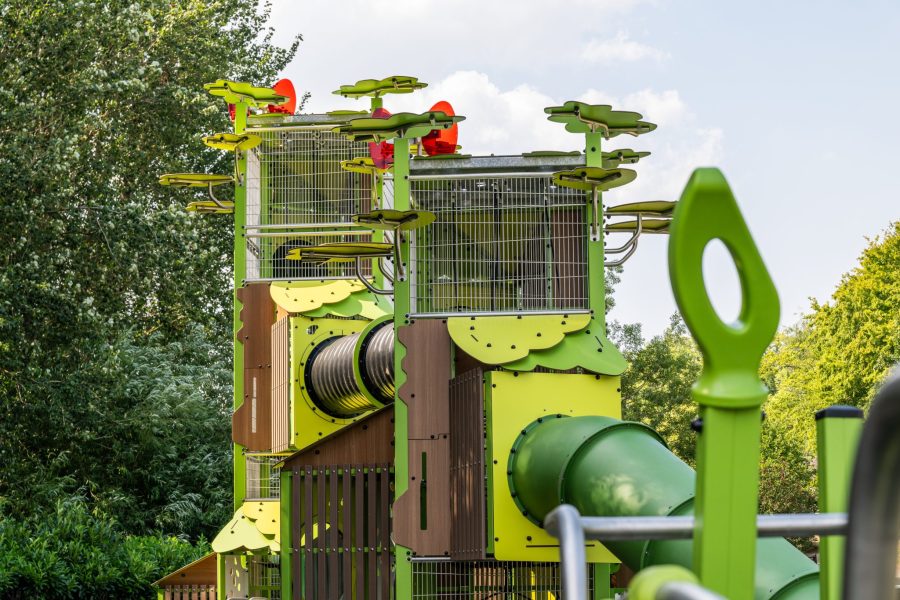
Bonnymead Play Park: A Destination Site for Everyone
Article published on 17 August 2026
Amesbury Town Council set out with the ambitious vision to transform Bonnymead Play Park into into a landmark recreation destination for the wider community. With a £500,000 investment and an open design brief, the Council wanted more than a conventional playground. The aim was to create a high-quality public space that would attract visitors, encourage...
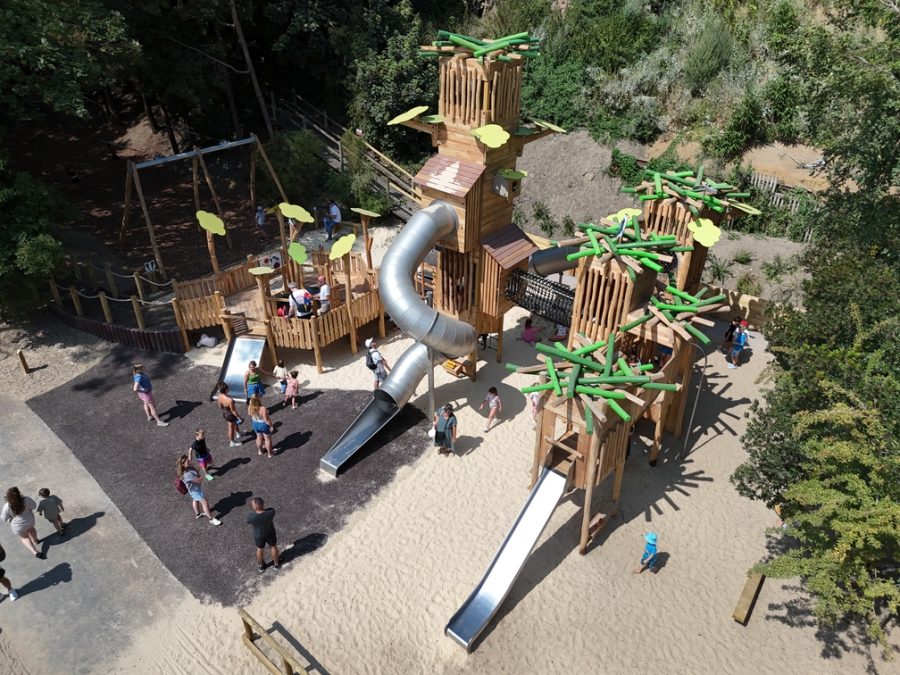
Lower Leas Coastal Play Park – A Unique Natural Design for a Unique Location
Article published on 13 August 2026
A new £750,000 coastal play park has opened in Lower Leas Coastal Park in Folkestone. This has elevated the existing site into the self-proclaimed “largest free adventure playground in the South-East”. Folkestone & Hythe District Council sought to improve access throughout this destination site so users of all abilities could enjoy all 15 zones equally....


