


Article published on 26 May 2026
Proludic is helping local authorities, schools, parish councils and community organisations to create more inclusive play spaces through its specialist Inclusive Diagnosis service.
The Inclusivity Assessment was developed in collaboration with Proludic’s Inclusion Expert Committee, part of the Proludic Observatory. The service evaluates the level of inclusion in existing play areas and supports future playground projects from the earliest stages of design.
Its purpose is simple but vital: to identify gaps in accessibility and inclusion so that every child has the opportunity to play, participate and feel welcome.

Inclusive play is about far more than access alone.
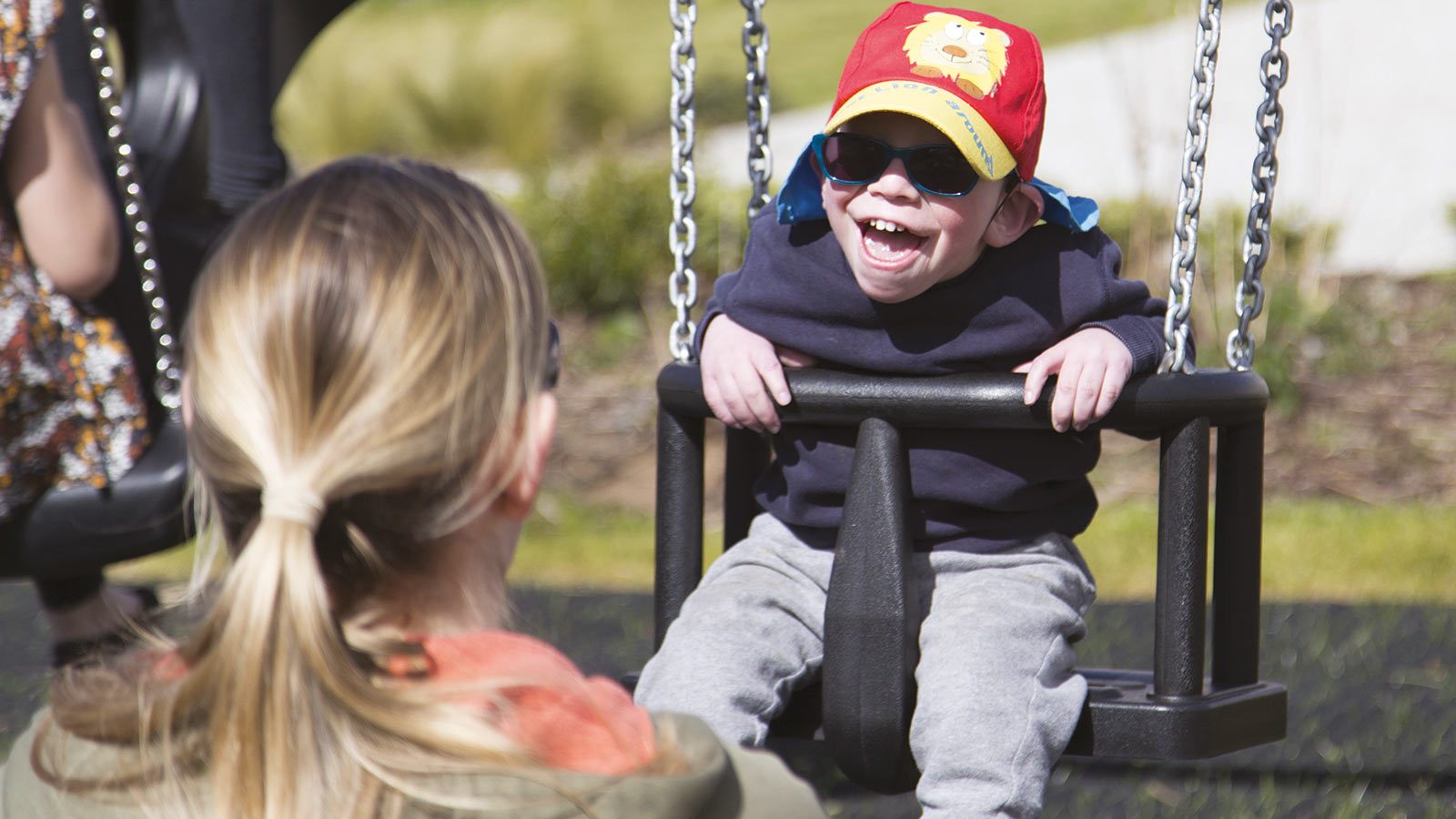
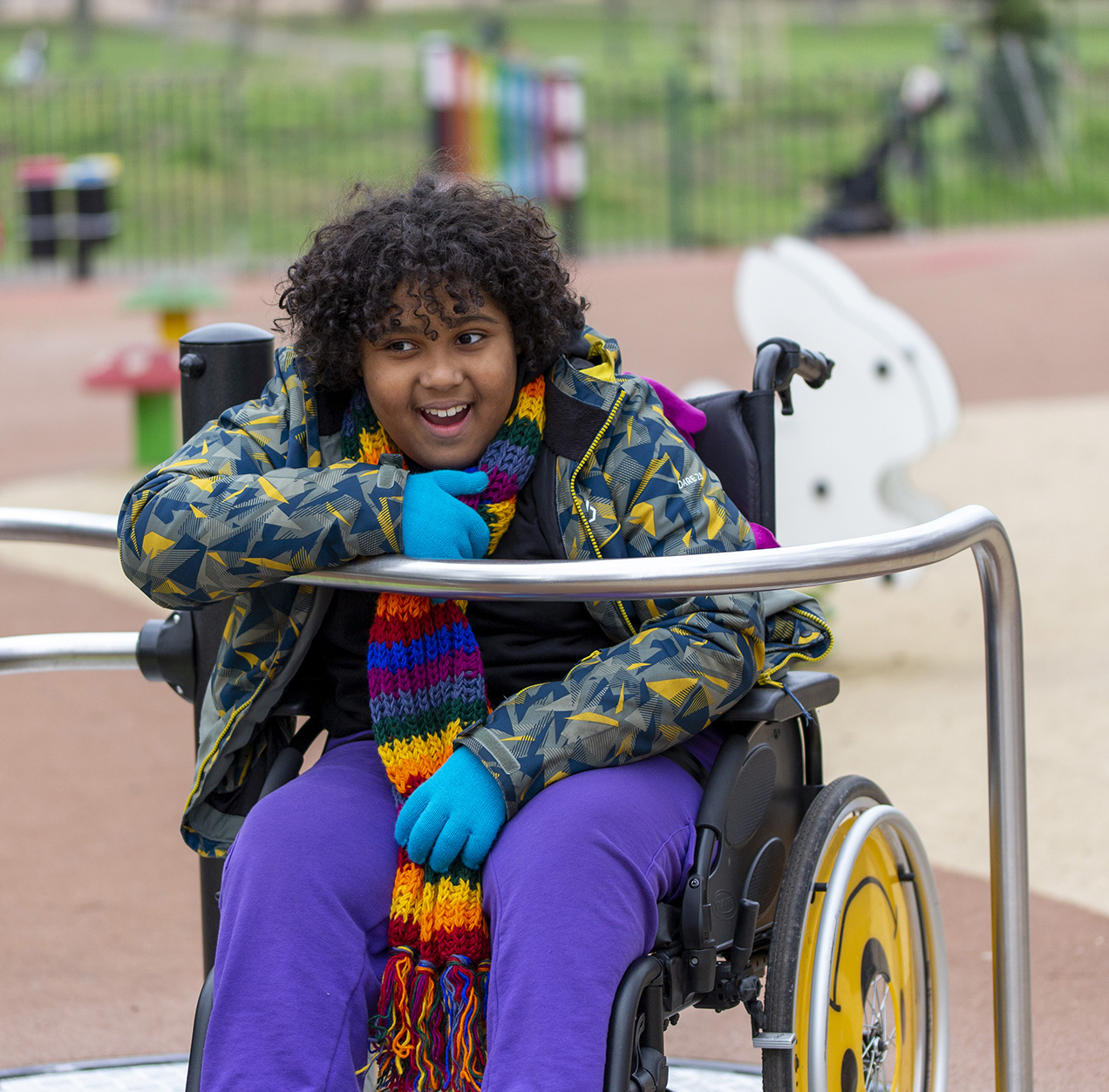
A truly inclusive play area enables children of different ages, abilities and needs to play together rather than creating separate spaces or isolated pieces of equipment. Proludic’s approach recognises that children with physical, sensory, cognitive or neurodivergent needs should be able to enjoy the same sense of adventure, movement, creativity and social interaction as their peers.
Underlining the importance of this work are the barriers that many disabled children and families continue to face when using public open spaces. Play is fundamental to childhood development, supporting socialisation, confidence, independence, communication, imagination and physical wellbeing. When play areas are difficult to access or navigate, this can exclude children from experiences essential to learning, friendship, and community life.
How Does Proludic Support Inclusivity?
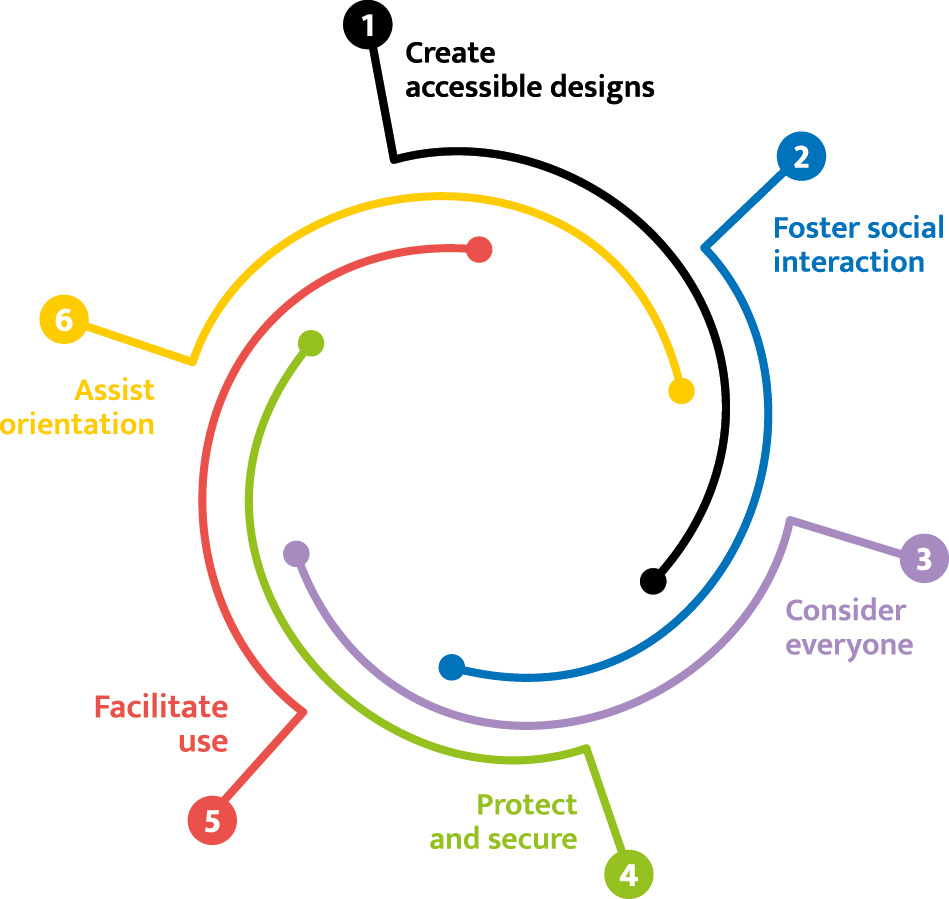
Through the Inclusive Diagnosis service, Proludic’s local Area Managers visit sites to assess how well a play area supports inclusive use. The assessment considers six key principles of universal design:
- Creating accessible layouts
- Fostering social interaction
- Considering users of all abilities
- Protecting and securing the space
- Facilitating use through ramps, low-level activities and safe access,
- Assisting orientation through signage, tactile markers and clear surface markings.

Each play area is scored on a scale from 0 to 100, with results categorised as bronze, silver or gold. This gives clients a clear, practical understanding of how inclusive their current or proposed space is, and where improvements can be made. Clients can then use this assessment to guide decisions in their development, including:
- Equipment choice
- Layout
- Access routes
- Surfacing
- Equipment choice
- Signage
- Seating
- Fencing
- Quieter spaces for rest and recovery.
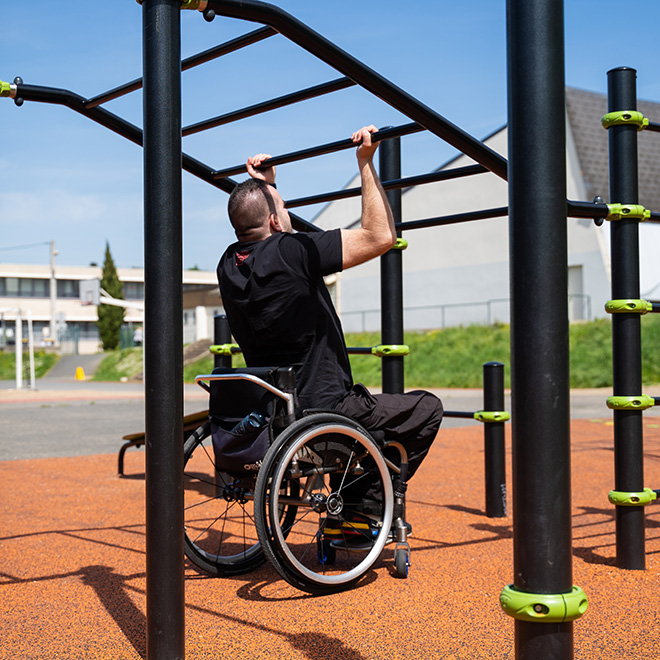
Proludic’s wider inclusive play guidance also highlights the need to respond to different disabilities in different ways. Children with reduced mobility may need easy-access surfacing, transfer platforms or wheelchair-accessible play equipment. Children with sensory disabilities may benefit from visual, acoustic and tactile stimulation. Meanwhile, neurodivergent children may need calmer spaces, simple layouts and intuitive play activities.
Choose the Experts in Inclusive Play
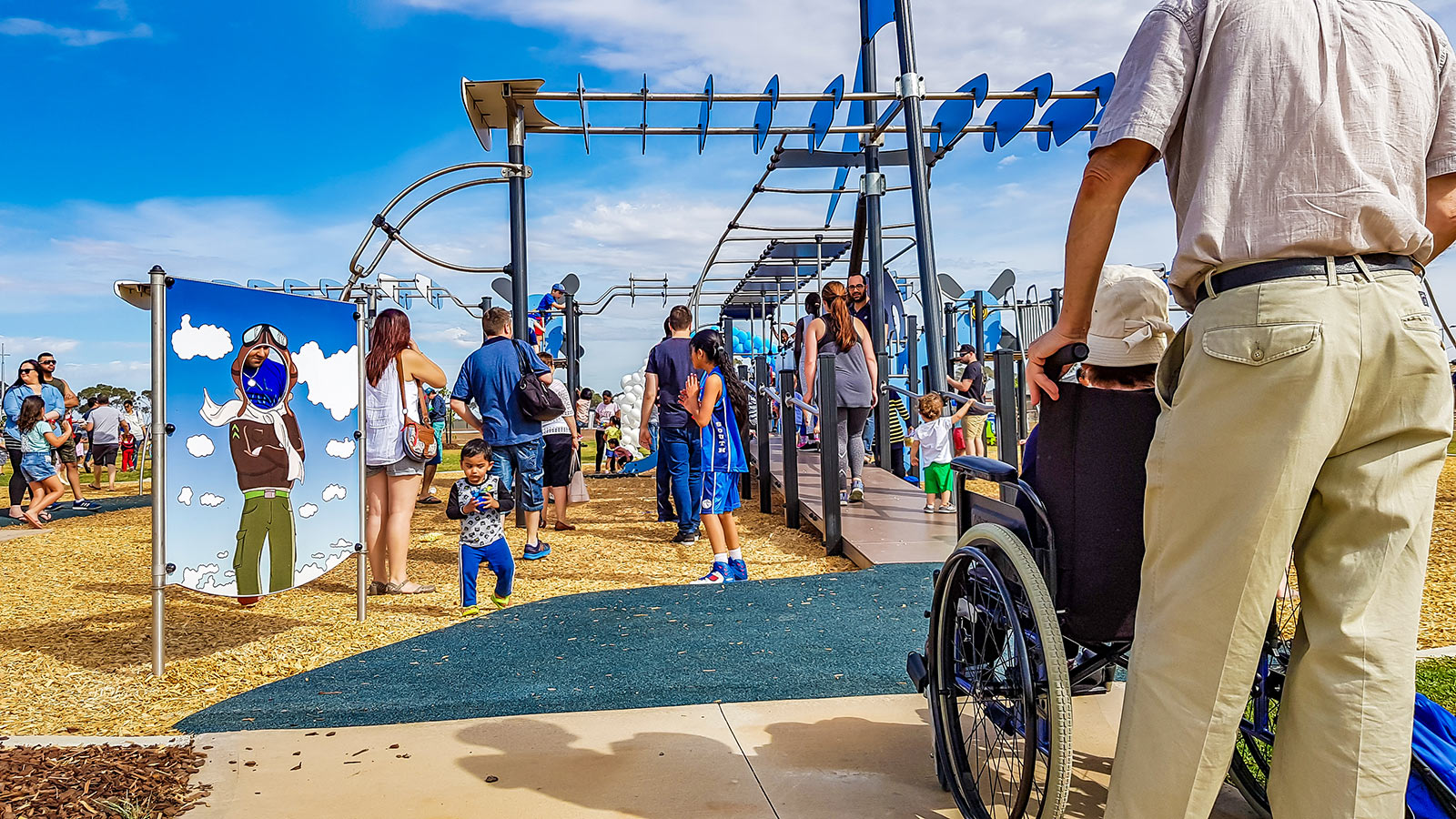
By combining specialist knowledge with on-site assessment, Proludic’s Inclusive Diagnosis service gives clients a practical route to improving play provision. More importantly, it helps create places where children can play side by side. Where families can feel confident. And where communities can become more welcoming for everyone.
Learn more about Prolduic’s inclusive play expertise with our new Inclusive Play Areas Guide:
More advice from experts
Bonnymead Play Park: A Destination Site for Everyone
Article published on 17 August 2026
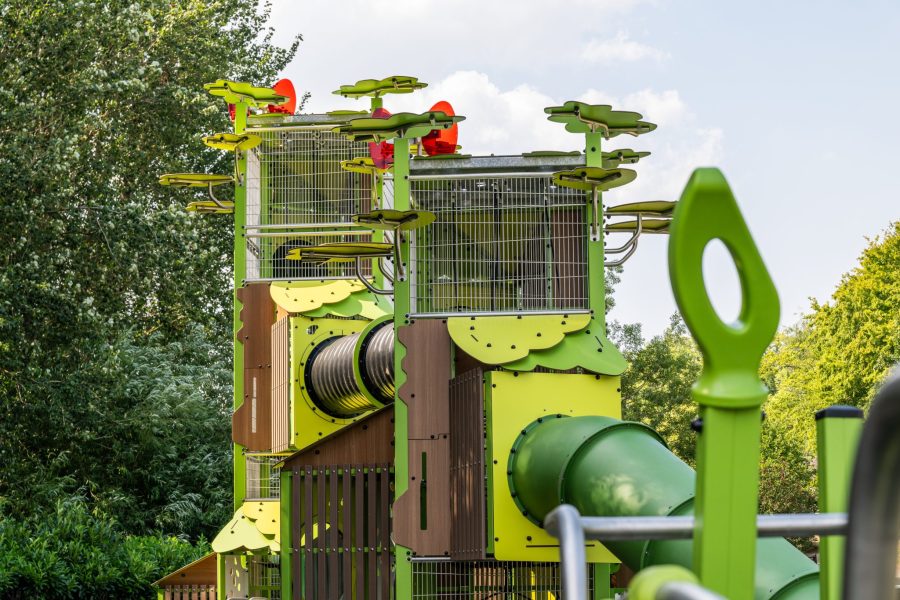
Amesbury Town Council had an ambitious vision to transform Bonnymead Play Park into a landmark recreation destination. With a £500,000 investment and an open design brief, the Council wanted more than a conventional playground. The aim was to create a high-quality public space. It would attract visitors and encourage longer stays. It would also provide...
Lower Leas Coastal Play Park – A Unique Natural Design for a Unique Location
Article published on 13 August 2026
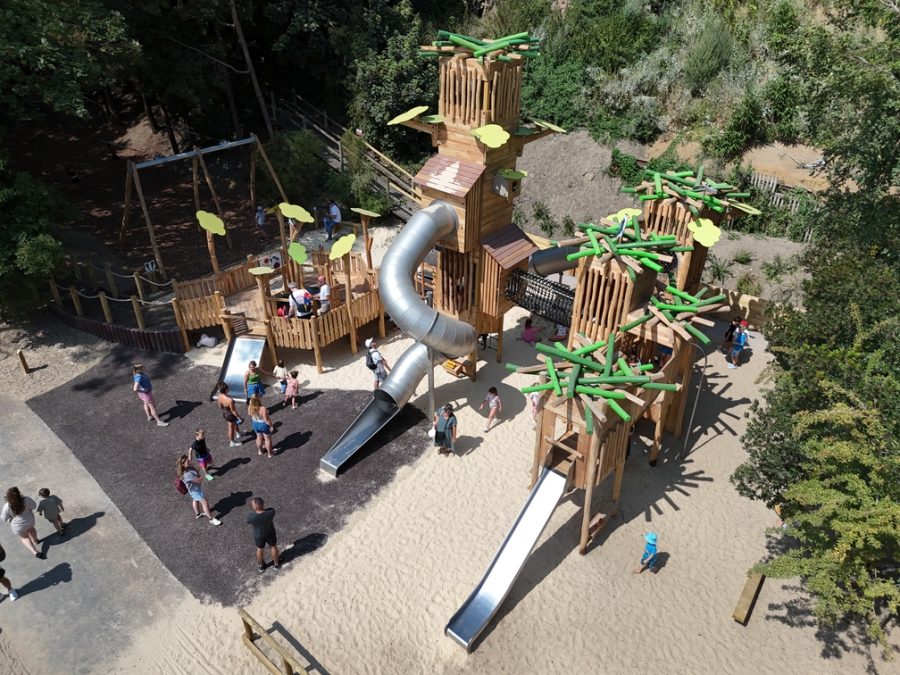
A new £750,000 coastal play park has opened in Lower Leas Coastal Park in Folkestone. This has elevated the existing site into the self-proclaimed “largest free adventure playground in the South-East”. Folkestone & Hythe District Council aimed to improve access across this site. It helped users of all abilities enjoy all 15 zones equally. Following...


