


Article published on 23 November 2026
A well-designed playground is much more than a collection of swings, slides and climbing frames. It is a space where children develop essential life skills, build confidence, form friendships and explore the world around them. But how can we ensure play spaces genuinely support children’s changing needs as they grow?
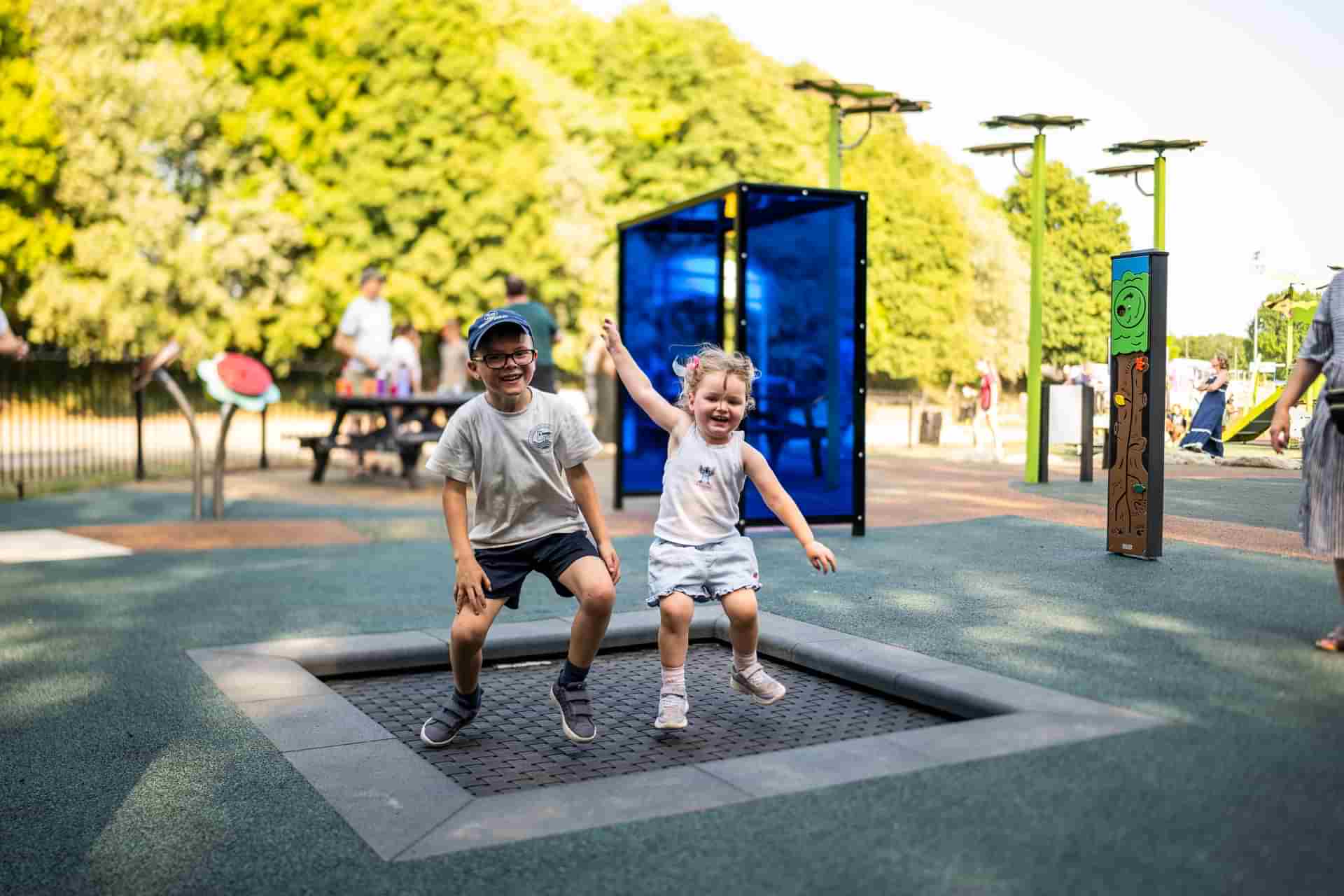
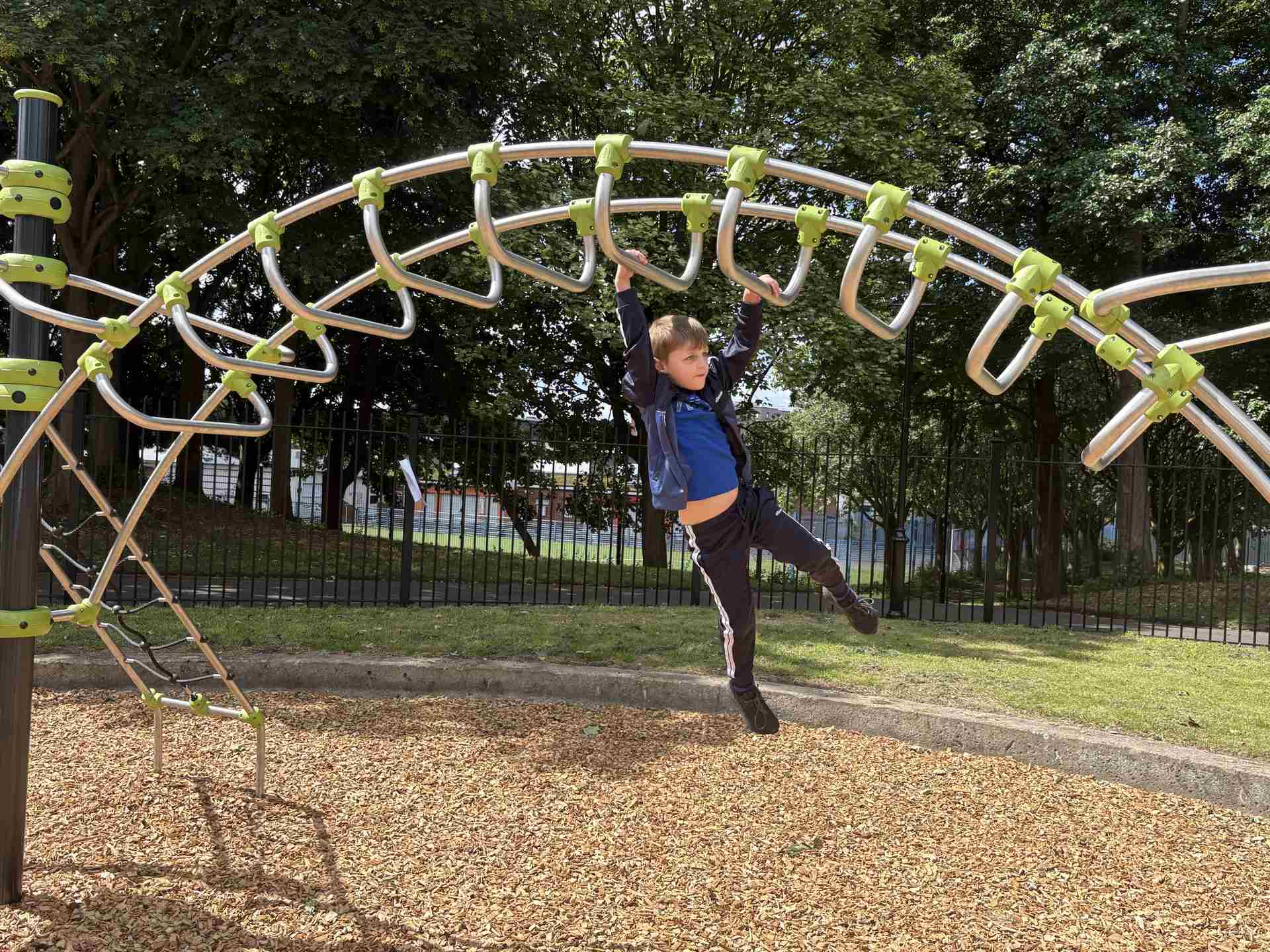
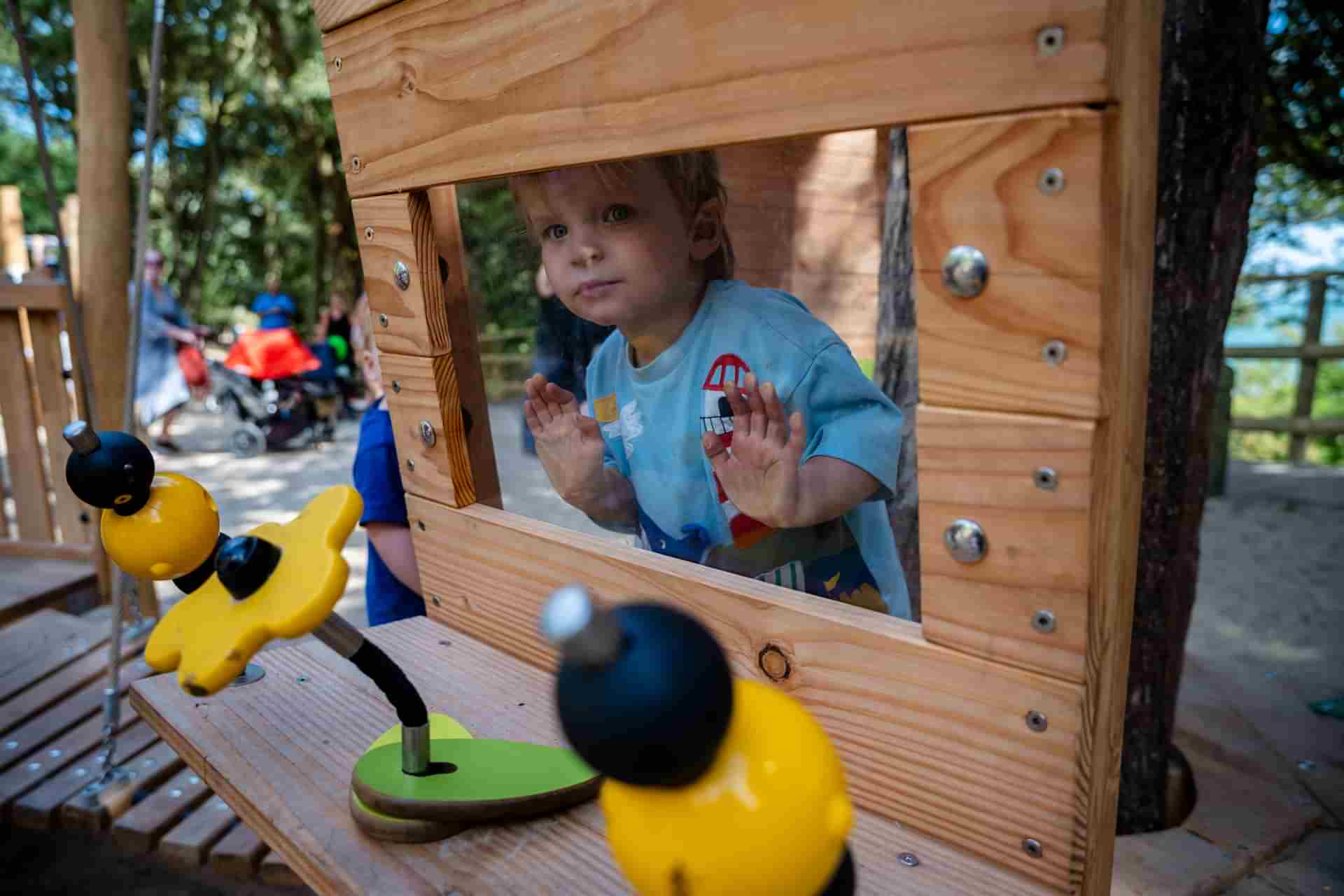
Understanding Child Development Through Play
One approach to understanding children’s developmental needs is the SPICE model, which identifies five key areas: Social, Physical, Intellectual, Creative and Emotional development.
Each area influences how children interact with their surroundings. By incorporating opportunities that support all five, playground designers can create environments that encourage learning, exploration and enjoyment.
Importantly, children’s needs change considerably throughout childhood, making age-appropriate design essential.
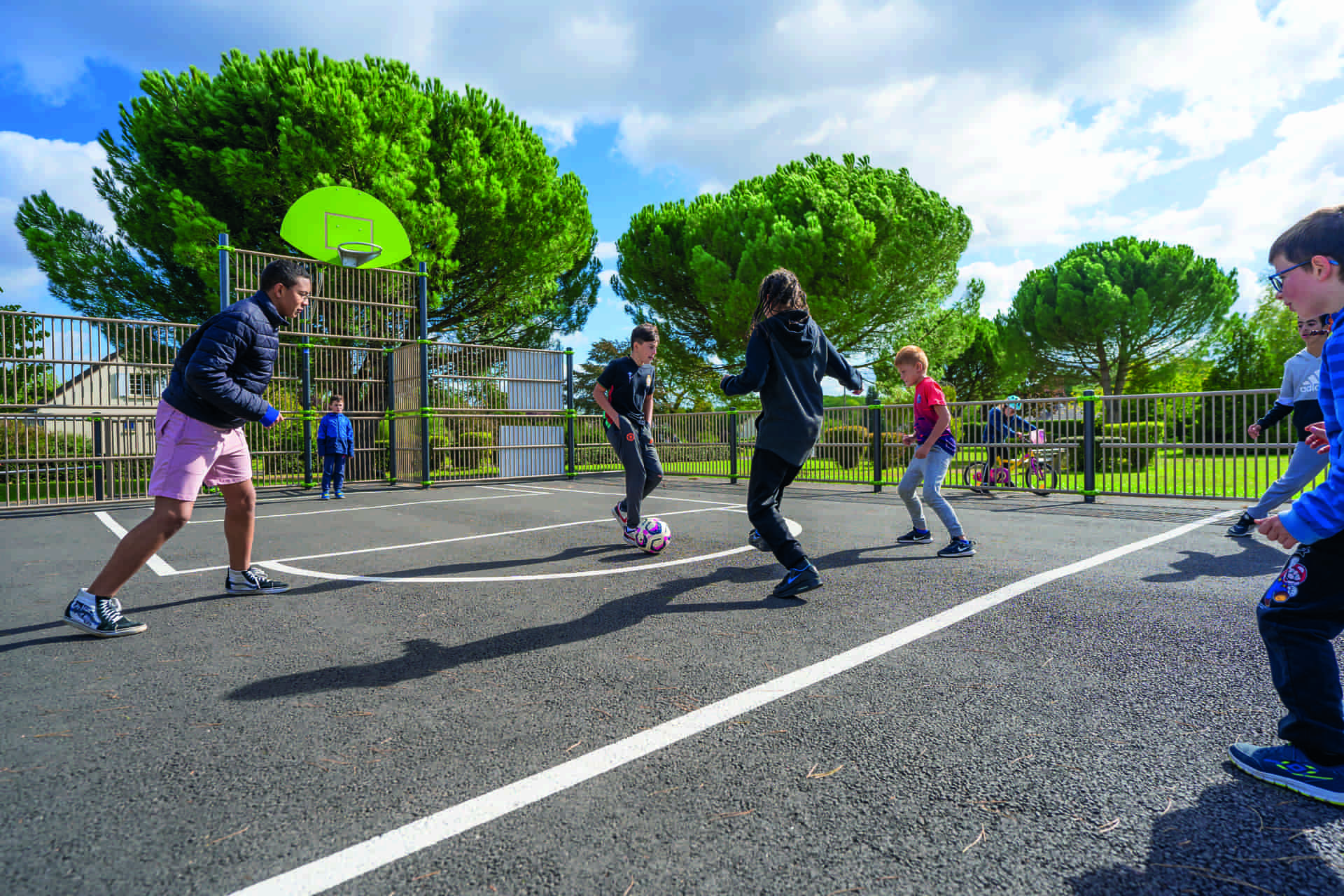
Designing for Different Stages of Childhood
Early Years (0–3): Young children are discovering movement, textures and their surroundings. Sensory experiences, tactile features, low-level activities and smaller enclosed spaces can encourage exploration while providing a sense of security.
Developing Independence (3–6): As coordination and confidence improve, imaginative play becomes increasingly important. Role-play opportunities, storytelling features and more challenging physical activities help develop creativity, social interaction and problem-solving skills.
Growing Confidence (6–12): Older children seek greater physical challenges, independence and interaction with friends. Climbing structures, dynamic equipment, and opportunities for collaborative play can build resilience, coordination, and confidence.
Teenagers (12+): Young people increasingly value social connections, independence and having spaces they can call their own. Providing areas for informal sport, socialising and creative activities helps ensure teenagers feel included and welcome.
Creating Inclusive and Engaging Environments
Effective playground design must also recognise that children develop at different rates and have varying abilities, interests and sensory needs.
Accessible routes, diverse play opportunities, quieter spaces and appropriately challenging equipment can help create welcoming environments where more children can participate together.
Balancing physical challenge with safety is equally important. Thoughtful equipment positioning, suitable surfacing and age-appropriate activities allow children to explore their capabilities while managing potential risks.
Ultimately, successful playground design begins with understanding the children who will use the space. By considering their developmental, emotional and social needs, communities can create inclusive environments that offer meaningful play experiences throughout childhood and beyond.
More advice from experts
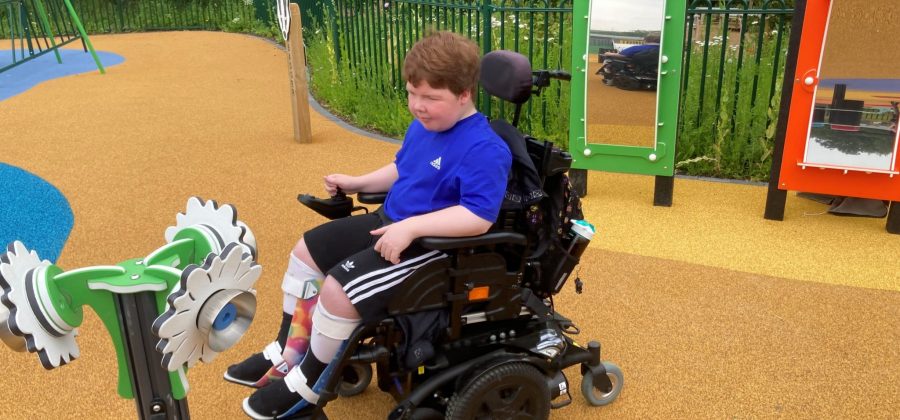
You Know Your Pupils. We Know Play. Creating Inclusive Spaces Together.
Article published on 18 November 2026
Supporting SEND schools with over 35 years of inclusive play design expertise. Every SEND (Special Educational Needs and Disabilities) school is different, and so are the children who attend them. Across the UK, specialist educational settings support pupils with a diverse range of physical, sensory and cognitive needs, each requiring an environment that reflects their...
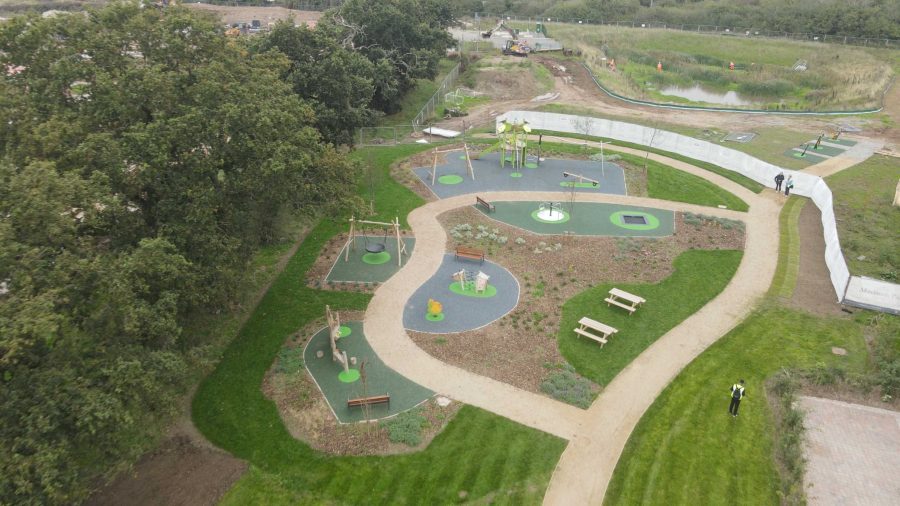
Proludic brings inclusive, sustainable play to new housing developments in the North-West
Article published on 10 November 2026
Proludic works with housebuilders across the UK to create inclusive, sustainable play spaces that enhance new developments, encourage physical activity and bring communities together. This film showcases three examples of Proludic’s distinctive work within the North-West housing sector: Maylands Park (Barratt David Wilson, Nantwich), Sydney Road (Barratt David Wilson, Crewe) and Astbury Gardens (Seddon Homes,...


