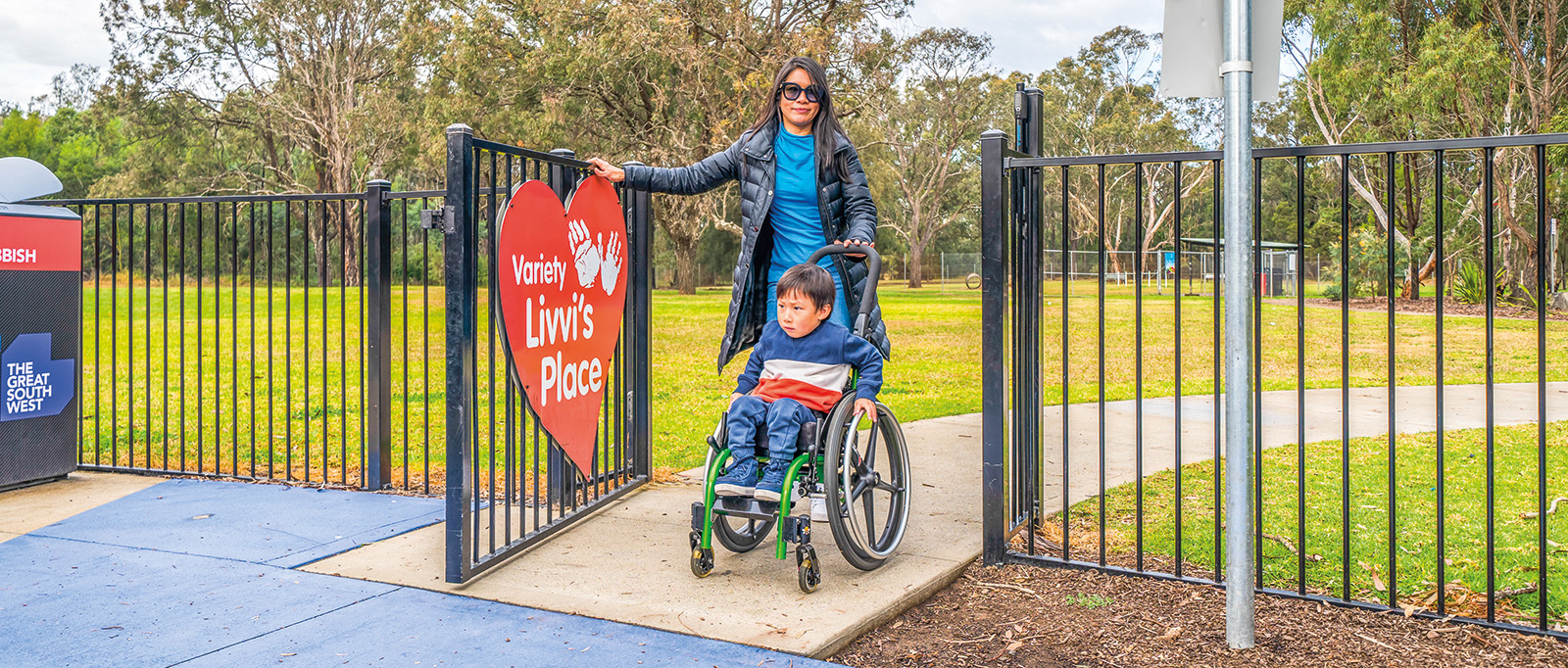


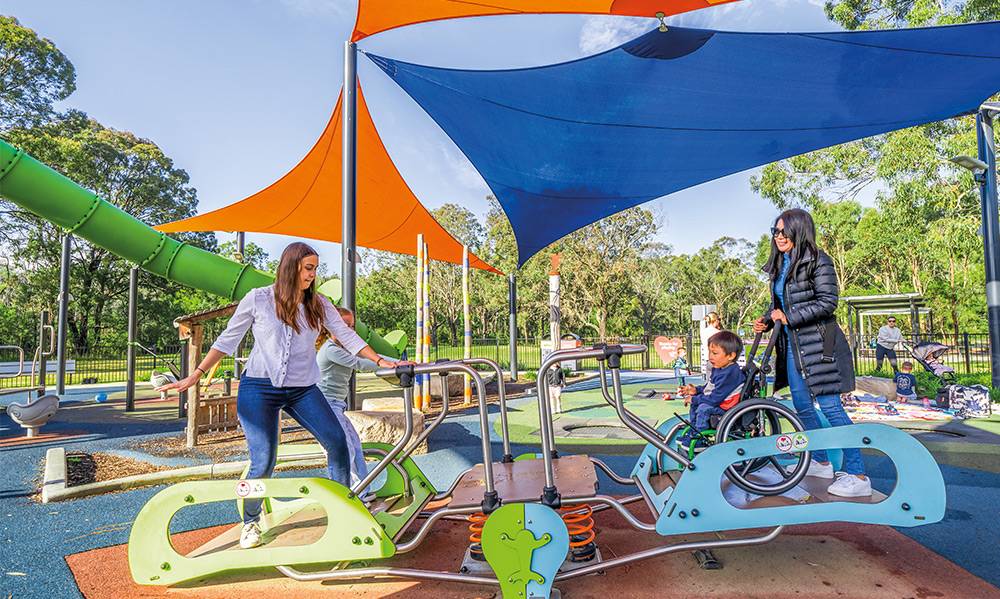
Key considerations when designing play areas for children with physical disability
1 – Understand their needs
Children with physical disability may:
- Use a wheelchair or mobility aid
- Need support when navigating the environment
- Find it challenging to take part in group play
2 – Support their needs
Inclusive playspaces should offer:
- Easy and independent access to all play areas
- Safe and supported opportunities for movement and play with other children
- Sensory-rich activities that promote balance, coordination, and engagement
3 – Inclusive design solutions
- Ground-level play elements that are easy to access and enjoy
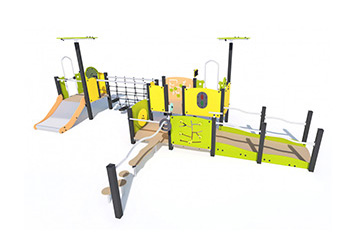
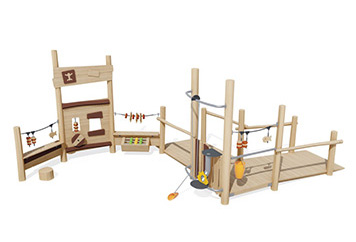
- Structures with ramps or transfer platforms to support children who use mobility aids
- Equipment that encourages balance and coordination, with supportive seating options
Examples of inclusive play equipment for children with physical disability
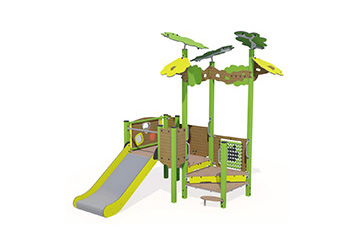
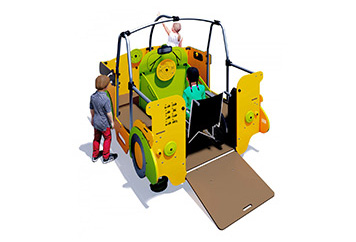
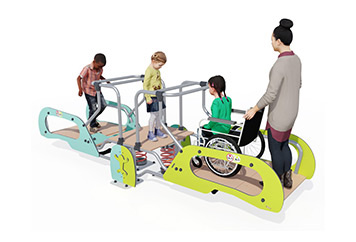
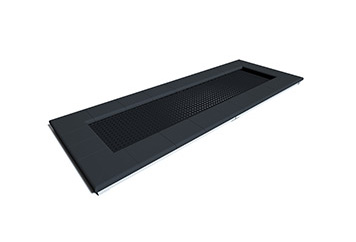
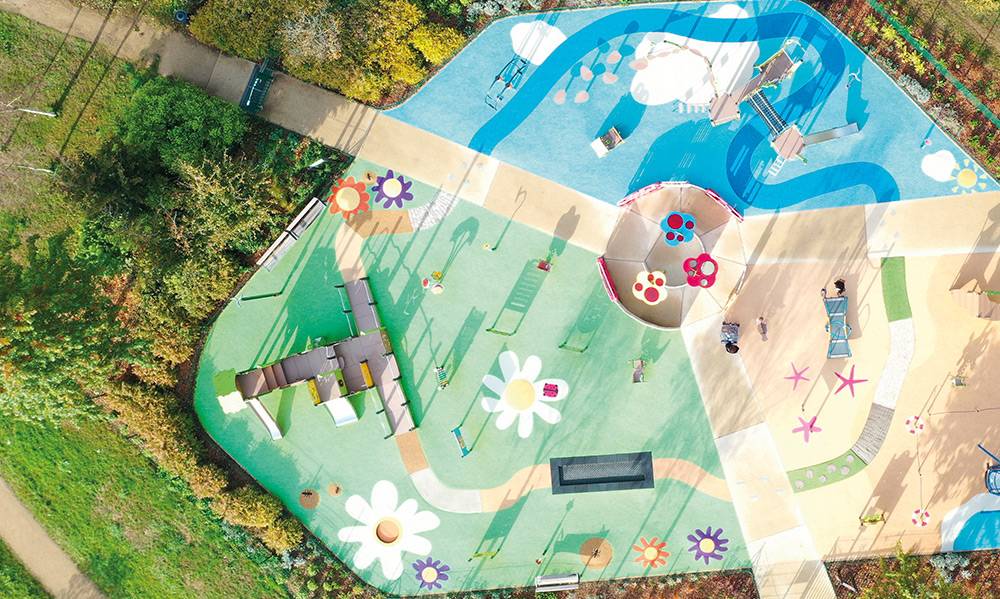
Our inclusive design solutions include:
- Smooth surfacing: Enables easy movement for children who use wheelchairs or other mobility aids
- Obstacle-free zones: Open layouts for safe and accessible play
- Clear, marked pathways: Help children and carers navigate the space confidently
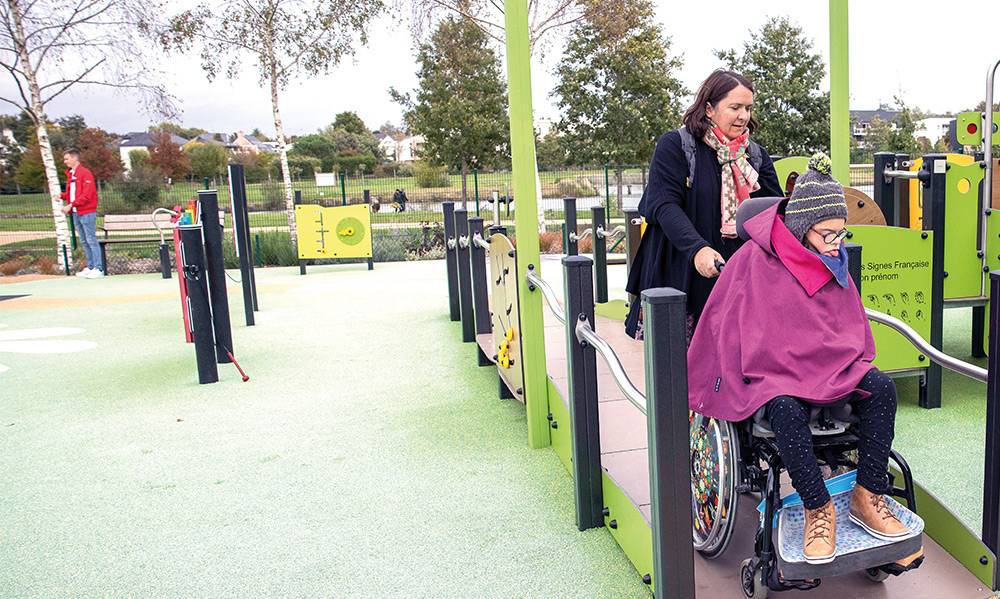
What sets us apart:
- Expertise in inclusive design: Our equipment is developed with the needs of children with physical disability in mind
- Standards compliant: All play areas meet accessibility and safety standards
- Tailored support: Our team works with you to design and deliver inclusive, accessible play solutions


